How can fitness technology and activity tracking apps promote healthy habits or unhealthy competition and anxiety among students?
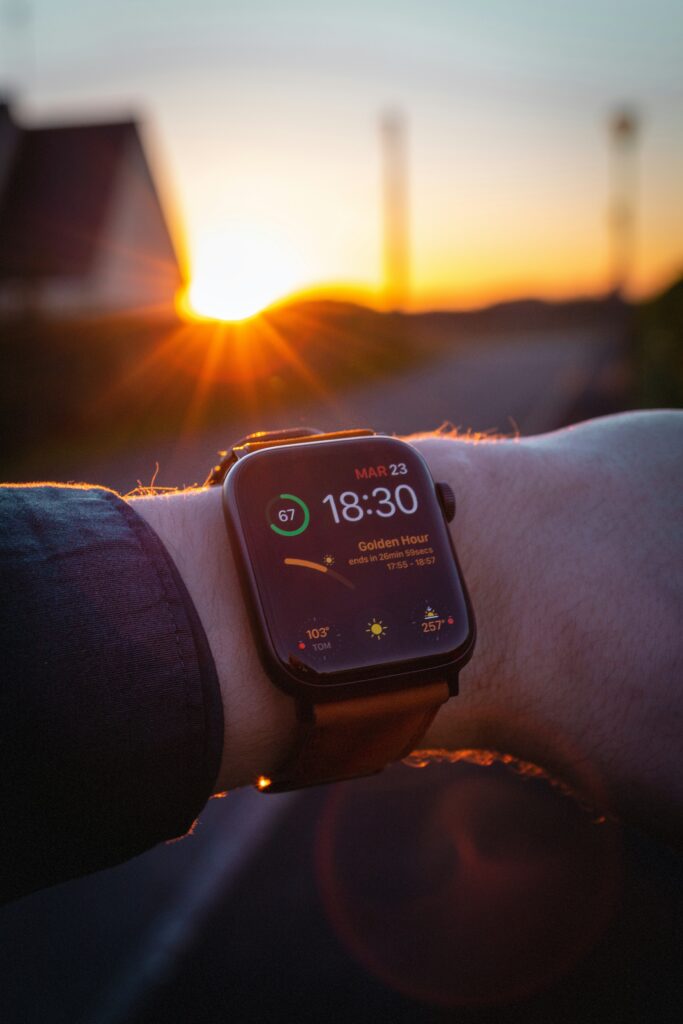
For this presentation we explored the question: How can fitness technology and activity-tracking apps promote healthy habits or unhealthy competition and anxiety among students? It examines how tools that track steps, heart rate, activity minutes, and sleep can support teaching and learning by encouraging self-monitoring, goal setting, and health literacy. At the same time, the project considers potential drawbacks such as unhealthy competition, pressure to maintain streaks, anxiety tied to performance metrics, equity and accessibility concerns, and student data privacy. It also highlights best practices for educators, including focusing on personal growth rather than comparison and promoting balanced, healthy mindsets when using fitness technology in schools. Enjoy!
Through our research we also came across this webpage from Richard James Rogers who received both his bachelor’s degree in Molecular Biology and his PGCE in Secondary Science Education from Bangor University (Wales, UK). He then pursued a career as a teacher of Science and Mathematics at UK state schools, and afterwards at international schools in Asia. His webpage compliments our presentation well and summarizes similar points related to the benefits of using smart watches in teaching and some helpful tips for educators.
